
Introduction
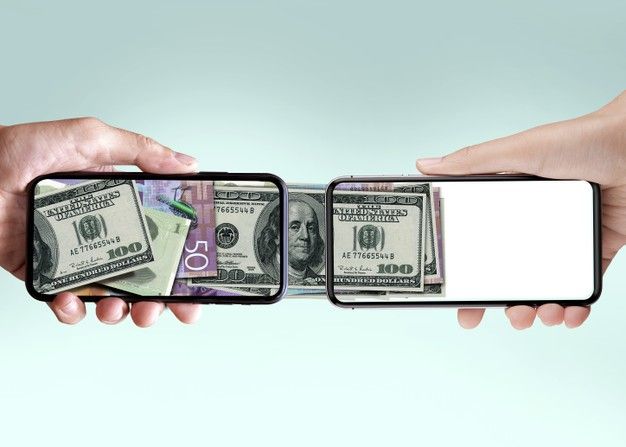
In today’s digital world, the way we pay for goods and services has dramatically changed.
In many cases, digital payment systems have eliminated the necessity for actual cash.
They are now widely utilized all around the world for speed, security, and convenience.
Let’s look at the most frequent digital payment methods used around the world and how each one works
Credit and Debit Cards
Credit and debit cards are among the most popular digital payment options worldwide.
They are accepted both online and in-store. Banks issue cards, which are then linked to the user’s bank account or credit line. When a card is swiped, tapped, or entered online, the sum is automatically debited. They are fast, secure, and protected by fraud detection systems.
Visa, MasterCard, American Express, and RuPay are some of the most popular card networks.
Mobile Wallets / Digital Wallets
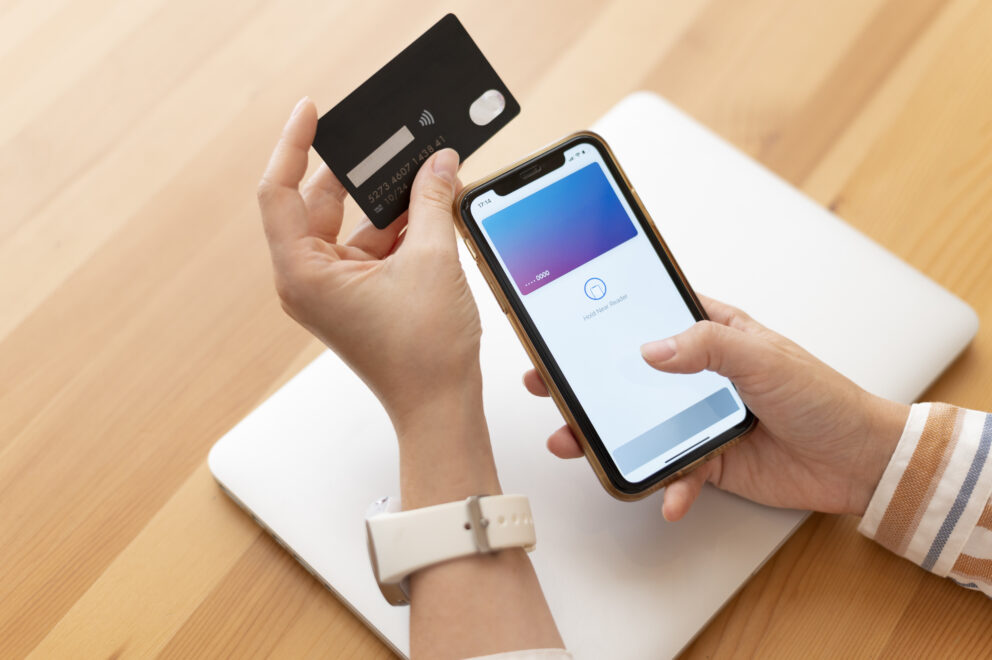
Mobile wallets are apps that save credit card and bank account information for rapid payment. They let people pay by scanning QR codes or tapping their devices.
Mobile wallets include Apple Pay, Google Pay, Samsung Pay, PhonePe, and Paytm.
They are often used for modest retail purchases, food delivery, and online shopping.
Mobile wallets are simple to use, but they require an internet connection and smartphone compatibility.
UPI (Unified Payments Interface)
UPI is a real-time payment system that originated in India. It allows for instant money transfers between bank accounts using mobile apps. Popular UPI apps include BHIM, Google Pay, PhonePe, and Paytm UPI enables person-to-person (P2P), merchant, and bill payments.
It is completely free to use and available at all times, including weekends and holidays.
Although UPI is mostly utilized in India, it is currently being used in other nations as well.
Buy Now, Pay Later (BNPL)
Buy Now, Pay Later services allow clients to make purchases and pay in instalments.
This option is popular for e-commerce purchases and high-value items. Companies that offer BNPL services include Klarna, Afterpay, ZestMoney, and Sezzle. BNPL helps improve sales by providing customers with flexible payment choices. To avoid fines, users must exercise caution when making repayments.
Cryptocurrencies
Cryptocurrencies such as Bitcoin and Ethereum are decentralized digital currency.
They operate without banks and use blockchain technology to handle payments.
Crypto payments are quick, seamless, and secure. Some businesses accept cryptocurrencies for online purchases and services. However, price swings and regulatory issues prevent their widespread adoption.
Bank Transfers
Online bank transfers remain the preferred technique for big or international payments.
Popular methods include NEFT, RTGS, IMPS, and wire transfers. They are common in B2B payments, freelancing, and cross-border transactions. Bank transfers are secure, although they may take longer than other digital payment methods. Transaction fees may apply, depending on the type of transfer and the location.
Contactless Payments (NFC & QR Codes)
Customers can make contactless payments by tapping a card or scanning a QR code.
NFC (Near Field Communication) is utilized in tap-to-pay systems. QR code payments are common in countries such as China and India. Alipay, WeChat Pay, and BharatQR all offer rapid QR-based payments. They are quick, hygienic, and ideal for low-value transactions.
No tangible cash or card swipes are necessary.
Why Digital Payments Are Growing Worldwide
- Digital payments are faster than traditional means such as cash or checks.
- They reduce the need to carry physical cash.
- They are more secure because of encryption and authentication.
- They are ideal for e-commerce, smartphone apps, and on-the-go purchasing.
- After the epidemic, contactless and digital techniques have grown in popularity like never before.
Future of Digital Payments
More organizations are incorporating AI to identify fraud in digital payments.
Voice-based payments are becoming popular, with assistants such as Alexa and Google Assistant. Block chain technology is intended to increase the transparency and security of future transactions. Cross-border payment systems will get speedier and more linked.
Digital identity and rapid on boarding will enhance the consumer experience.
Conclusion
There are numerous digital payment solutions available worldwide, each with its own advantages.
Credit cards, UPI, mobile wallets, and BNPL are great for regular customers.
Cryptocurrency and bank transfers serve unique corporate or global needs.
Offering numerous payment alternatives helps increase consumer happiness and trust.
Staying current with payment trends is critical for future-ready organizations.