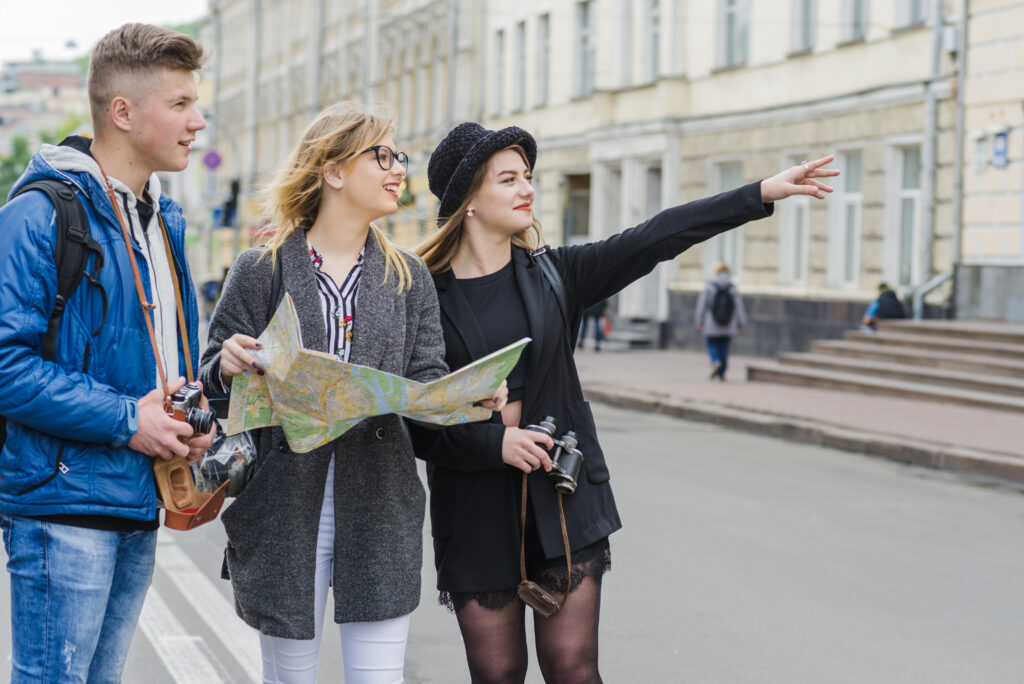
Traveling to different places and cultures is both fascinating and enriching.
But with the fun comes a big responsibility: respect for the local people, traditions, and values of the country you’re visiting. Being a polite tourist not only enhances your experience but also has a good impact on the places you visit.
These useful ideas can help you be a considerate and thoughtful traveler wherever you go.
Do Your Research Before You Go
Before traveling to a new nation, spend some time learning about its culture, customs, and social conventions. Understand the local dos and don’ts, particularly in terms of greetings, gestures, religion, and eating decorum. This fundamental understanding can help you prevent accidental disrespect or shame. You don’t have to be an expert, but making an effort demonstrates respect.
Respect Local Dress Codes
Dress norms vary greatly between cultures and places. Wearing shorts or sleeveless tops may be regarded as unacceptable in certain settings, particularly religious or conservative ones.
When visiting temples, mosques, or rural communities, make sure to pack modest apparel.
When in doubt, watch how the natives dress and follow their lead.
Learn a Few Words in the Local Language
Simply speaking a few words in the native tongue can go a long way. Expressions like “hello,” “thank you,” and “please” demonstrate appreciation and cultural understanding.
You don’t need to be fluent—just making an attempt will get you smiles and respect from the locals. Use translation tools as needed, but always strive to communicate honestly.
Be Mindful of Body Language and Gestures
Not all gestures convey the same idea everywhere.
For example, a thumbs-up sign can be positive in one culture but disrespectful in another.
In some cultures, it is inappropriate to aim at people, touch their heads, or reveal the soles of your feet. Observe how natives interact physically and try to emulate their manner with respect.
Follow Photography Etiquette
Always obtain permission before photographing individuals, especially in rural or traditional areas. Avoid photographing sacred sites, government buildings, or areas where photography is not permitted. Respect people’s privacy and avoid treating locals as tourist attractions.
When in doubt, it’s best to inquire or just enjoy the occasion without a camera.
Support Local Communities
Choose local restaurants, family-run guesthouses, and handcrafted souvenirs over global franchises. This benefits the local economy and fosters more meaningful interactions between residents. Attend local events, eat native foods, and engage in cultural experiences with respect. Your money and presence can have a good impact if used wisely.
Avoid Stereotyping or Comparing Cultures
Every culture is distinct and should be valued on its own terms. Avoid comparing local customs to your own or using terms like “weird” or “backward.” Instead of condemning differences, approach them with curiosity and humility. Being open-minded enables you to connect with individuals across languages and traditions.
Be Environmentally Responsible
Respect for culture encompasses respect for nature. Do not litter, destroy natural features, or engage in wildlife-exploitation activities. Many societies have holy connections to their environment, so treat it with respect. Bring reusable things, reduce plastic waste, and adhere to local environmental regulations.
Stay Humble and Flexible
Travel does not always go as expected. Being respectful entails remaining calm, tolerant, and kind even when things go wrong. If you accidentally insult someone, sincerely apologize and learn from the experience. Approach each event with humility and a desire to develop.
Share Your Experience with Respect
When publishing on social media, ensure that your content reflects the location and people in a respectful manner. Avoid making fun of cultural differences or using serious experiences as a joke. Give gratitude to the local guides, artists, and communities who made your trip memorable. Use your platform to encourage others to travel responsibly.
Conclusion: Travel as a Guest, Not a Consumer
The finest tourists recognize that they are guests, not customers or watchers.
Respecting culture entails recognizing the people, traditions, and land that distinguish a place.
By being alert, kind, and open-minded, you can become a responsible global traveller who leaves each location better than you found it.