

Introduction
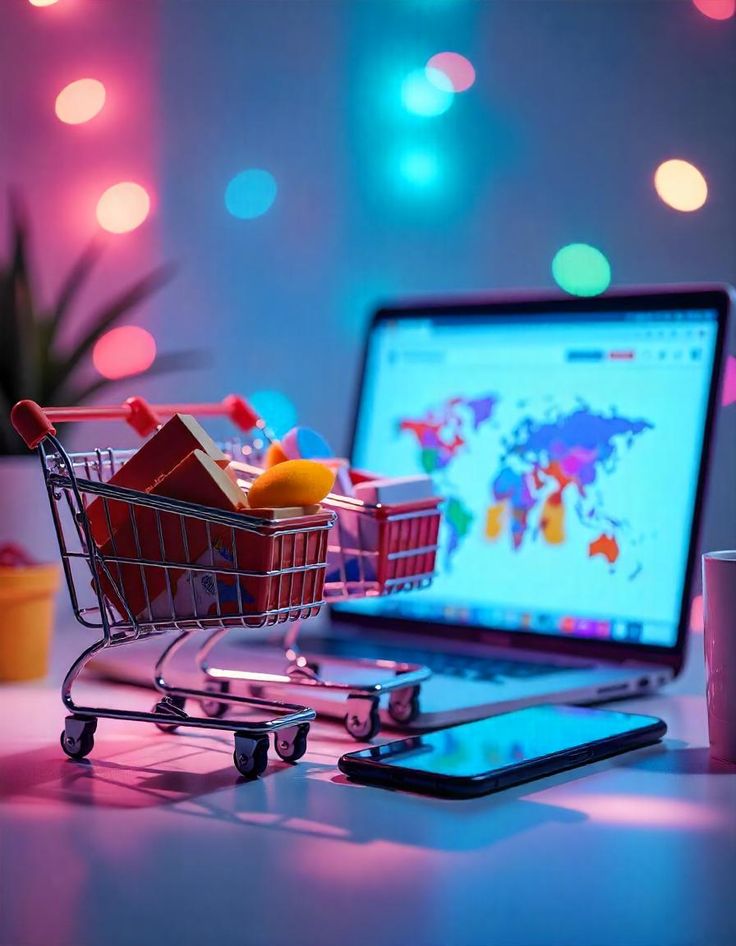
Shopping habits is evolving fast in our increasingly connected world.
In 2025, consumer behavior is driven by a mix of convenience, culture, and values.
Each country has its own unique shopping habits. These are shaped by
- Digital infrastructure
- Generational preferences
- Economic conditions
- Deep-rooted cultural expectations
For example, shopping in Tokyo or Dubai is more than a transaction—it’s a cultural experience.
To succeed globally, brands need to understand these differences and adapt.
Global Trends That Define Shopping
Shopping behavior is influenced by
- Tech adoption
- Social norms
- Economic access
- Local preferences
Internet access hasn’t made shopping behavior the same everywhere—it has made differences more visible.
While Americans love speed and convenience, Japanese consumers still value the in-store experience.
United States: Fast, Personalized, and Digital
In the U.S., online shopping is dominated by platforms like Amazon.
Shoppers expect:
- Same-day delivery
- AI-powered product suggestions
- Smooth mobile checkout
Speed and convenience are key to success in this market.
Japan: A Respect for Experience
In Japan, shopping is a cultural ritual.
Customer value:
- Beautiful packaging
- Courteous service
- The experience itself
Even as e-commerce grows, traditional stores still flourish.
India: Price-Sensitive but Trust-Oriented
In India, mobile apps and online sales dominate during festive seasons.
Popular shopping habits include
- Shopping during Diwali or Republic Day sales
- Choosing EMI or Cash on Delivery (COD)
- Relying on influencer reviews
Trust and affordability go hand-in-hand.
UAE: Prestige and Luxury
Dubai’s shoppers are drawn to luxury malls and high-end boutiques.
Even with digital growth, many still love visiting stores.
Trends in the UAE include:
- Desire for exclusive experiences
- High value on brand reputation
- Social shopping among friends and families
Europe: Green and Thoughtful
In countries like Sweden, Germany, and the Netherlands, sustainability matters.
Consumers prefer
- Eco-friendly packaging
- Local or artisanal products
- Brands that protect customer data
They often research thoroughly before making a purchase.
Asia: Shopping Meets Entertainment
In countries like China and Vietnam, social commerce is booming.
Key platforms include:
- Douyin (TikTok)
- Zalo
Livestream shopping, where influencers showcase products live, is hugely popular.
How Shopping Platforms and Payments Differ by Region
Beyond cultural beliefs, there are significant differences in shopping infrastructure. Credit cards and Buy Now, Pay Later (BNPL) alternatives are common in North America and Europe. On the other hand, mobile payment platforms like Alipay, Paytm, GCash, or GrabPay dominate Asian markets. Digital banking is still expanding in Latin America; however, in some areas, cash or COD is still widely used because of low bank penetration or trust difficulties.
Expectations for delivery also differ. Same-day delivery is frequently expected in the United States; however, because of infrastructural constraints, customers in nations like Egypt or the Philippines may have to wait several days for their shipments. Companies like Amazon, Flipkart, Shopee, and Noon are pushing the boundaries to standardize faster, less expensive delivery choices, though, as customers everywhere are growing more picky.
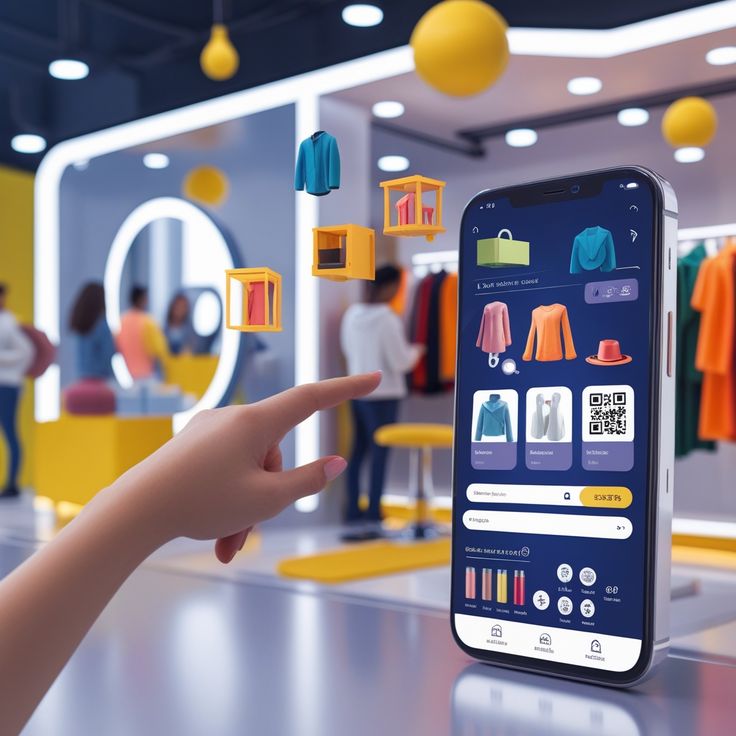
After-sales services and return procedures are also subject to cultural expectations. In contrast to South Korea or Indonesia, where return policies may be more stringent or less well-known, American consumers are accustomed to generous return windows and immediate refunds, which can negatively impact customer satisfaction and company loyalty. Companies that intend to enter new markets need to be aware of these expectations.
The Importance of Localization
Going global means thinking local.
Localization includes:
- Using native languages and culturally relevant visuals
- Adapting product launches to local seasons or holidays
- Offering local payment options
For example:
- Winter clothing sells in Canada during December, but not in Australia.
- Vegan skincare may sell better in Germany than in countries less focused on organic products.
How People Discover Products
Discovery habits also vary:
- U.S./U.K.: Google search, email campaigns, social ads
- Southeast Asia: Messaging apps, live demos, peer recommendations
Tapping into local discovery channels boosts marketing efficiency.
Building Trust in Different Cultures
Trust matters everywhere—but how it’s built is different.
Examples:
- Middle East: Halal certification and religious standards
- Canada/Australia: Transparency in sourcing and sustainability
Knowing what builds trust helps reduce cart abandonment and increase customer retention.
Role of Influencers
Influencer trends vary by region:
- West: Micro-influencers are trusted for authenticity
- East Asia: Celebrities and mega-influencers dominate
Brands must choose influencers based on local preferences and trust factors.
conclusion
In 2025, shopping is no longer just about convenience—it’s about culture.
To succeed globally:
- Understand local values and preferences
- Build trust through personalized experiences
- Adapt marketing to fit local behaviors.
Every country has a unique consumer mindset.
Winning brands focus on connection, not just conversion.